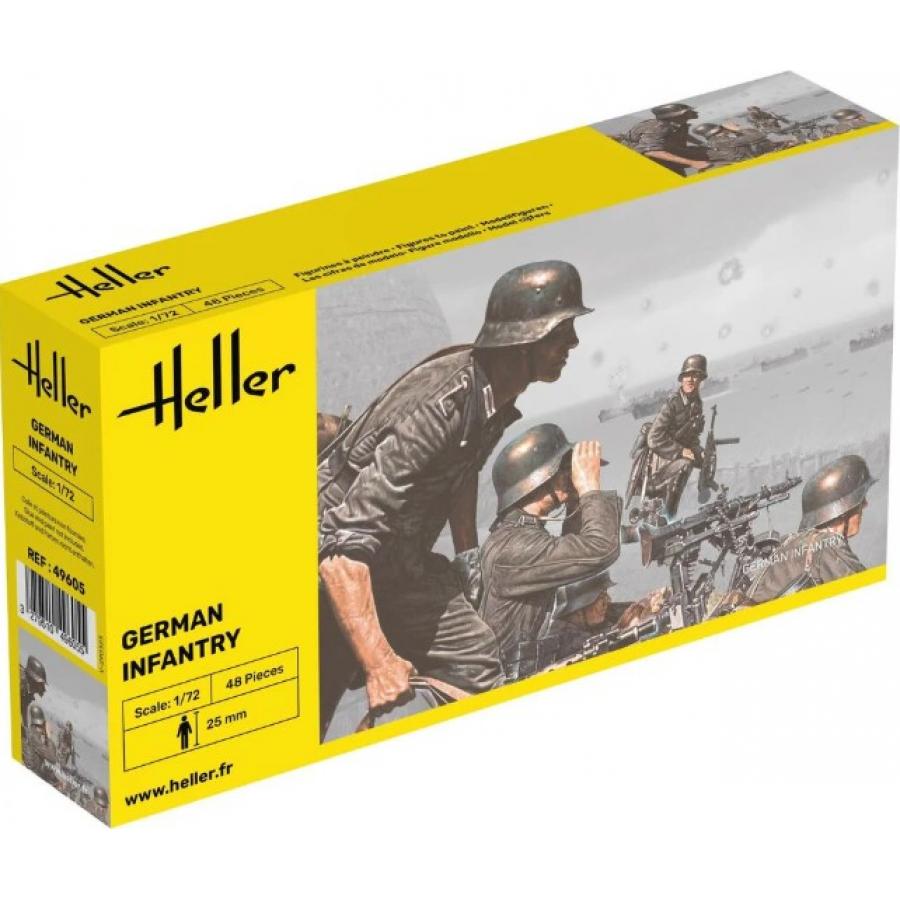
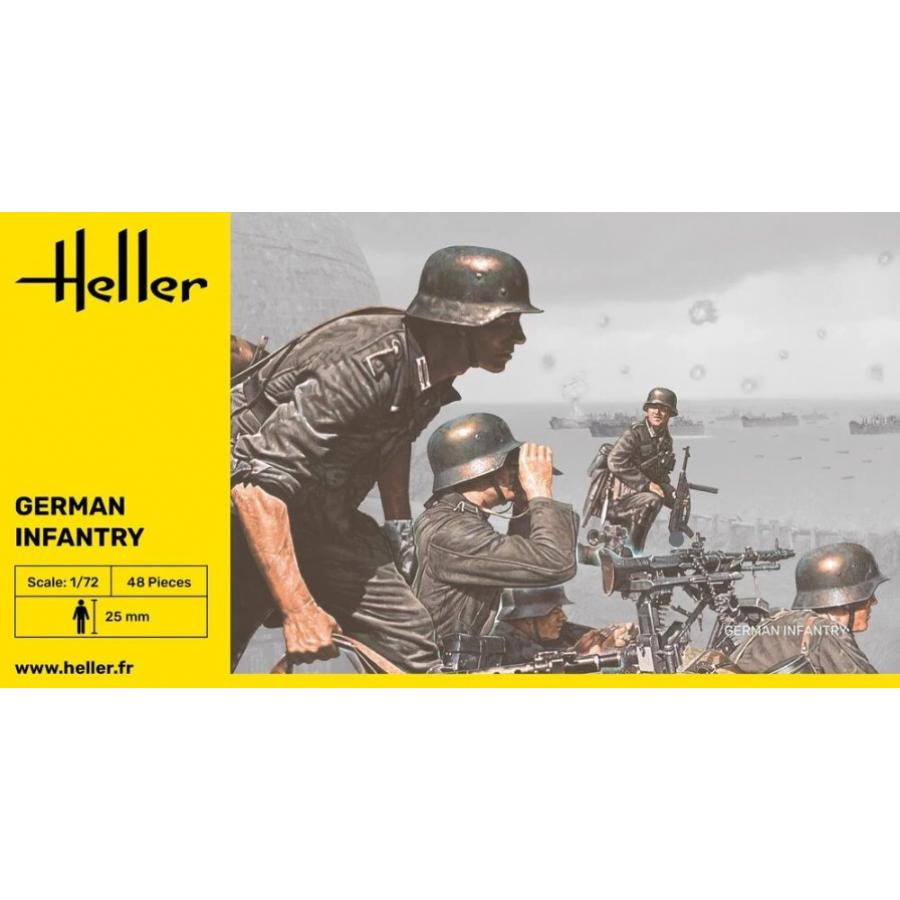
A decisive influence on the formation of the organization and tactics of the German infantry before the outbreak of World War II was, on the one hand, the experience of the previous World War, but also the theoretical works created in the 1920s and 1930s, which often emphasized the need to perceive the German infantry as a tool for waging an offensive war. This influenced both the equipment and the organization of the German infantry division, which during the September 1939 campaign consisted of 3 infantry regiments, each of which was divided into 3 infantry battalions, an artillery company and an anti-tank company. In addition, there were numerous support units, including: an artillery regiment with 4 artillery regiments (including a heavy one), an anti-tank battalion, a mortar battalion and a communications battalion. In total, the so-called infantry division. In the first wave of mobilization, there were about 17,700 people and it had a significant artillery component, but also abundantly equipped with machine guns. It also had modern and effective - for those times - means of communication and command. During the war, the infantry divisions were transformed - in 1943 some of them were converted into armored grenadier divisions. However, by 1943, the typical "traditional" infantry division consisted of about 12,500 men (rather than about 17,700 as in 1939) and its artillery element - especially heavy artillery - was also reduced to this, while anti-tank defense was significantly improved. It is assumed that during the entire Second World War, about 350 infantry divisions served in the Wehrmacht.